Abstract
This paper examines the constitutional control mechanisms for monitoring emergency regulations with respect to legislation specifically designed to govern exceptional circumstances. The phrase “exceptional circumstances”, in the context of a myriad of phenomena affecting humanity and economic development, refers to circumstances which fundamentally alter and disrupt the normal course of human activities. Africa has been confronted with a surfeit of such exceptional circumstances that have not only claimed many lives but have disrupted and crippled national economic activities. In identifying some of these exceptional circumstances that the continent has overcome in recent years, one must consider first the COVID‑19 pandemic, which crippled the world economy and claimed the lives of millions; the Ebola epidemic of 2014, which also claimed the lives of thousands, particularly in Sierra Leone, Liberia, and Guinea; and the Monkeypox viral disease, for which Sierra Leone declared a public health emergency quite recently. The exceptional circumstances mentioned above are public health emergencies whose potential to wreak havoc on such a scale was never fully envisaged by the World Health Organisation.
The need to strike a balance between preserving human life, by maintaining certain regulations during a public emergency, and ensuring that such regulations do not violate fundamental human liberties is a matter to which the judicial apparatus of every country ought to be sensitive. This paper examines, with keen interest, the constitutionality of laws specifically designed to tackle public health emergencies with the intention of curtailing human interaction during such emergencies. As humanity has demonstrated remarkable resilience in overcoming these challenges, we must not rest on our laurels or neglect preparedness for challenges potentially looming on the horizon. Humanity must accept that public health emergencies are part of our ecosystem, and we should continuously devise intelligent measures to address them in a timely manner. Apart from these health emergencies, the world has been, and continues to be, confronted with the menace of climate change — a phenomenon that appears natural in its manifestation but which scientists have attributed primarily to human, and predominantly economic, activity.
- Africa’s Resilience in Overcoming Adversity
Africa is no stranger to circumstances that pose a tremendous threat to normal human activities. The resilience demonstrated by the governing apparatus of African countries in overcoming exceptional circumstances that have plagued the continent over the years is quite remarkable and worthy of emulation. It is a fact that the continent accounts for a disproportionate number of the world’s least developed countries, and even whilst enduring poverty and a low standard of living, the continent remains among the most vulnerable when compared with counterpart countries in the Global South.1
- The Unpredictability of Exceptional Circumstances
From an empirical scientific standpoint, no one could have had the slightest indication that the world would be crippled by a disease such as COVID‑19. Empiricism posits that knowledge of any kind must be acquired through observation of the occurrence of certain circumstances and the causes and effects of those circumstances.2 From all indications, when COVID‑19 first emerged in Wuhan, China, the WHO was ill-prepared for such an unpredictable health emergency, and it was as a result of this that the organisation was slow to communicate to the world that the new disease posed a tremendous public health risk. The lack of understanding of the effects of the disease amongst the world’s leading epidemiologists, coupled with the WHO’s delayed response in declaring COVID‑19 a public health menace, contributed significantly to its devastating impact.3 Whilst renowned epidemiologists were deliberating on whether to announce a policy proposal in response to the unpredictable developments in Wuhan — or to await further verification of initial reports, as was standard procedure — the virus was spreading rapidly across China and beyond.4
- The Devastating Impact of the Ebola Virus Disease on Sierra Leone
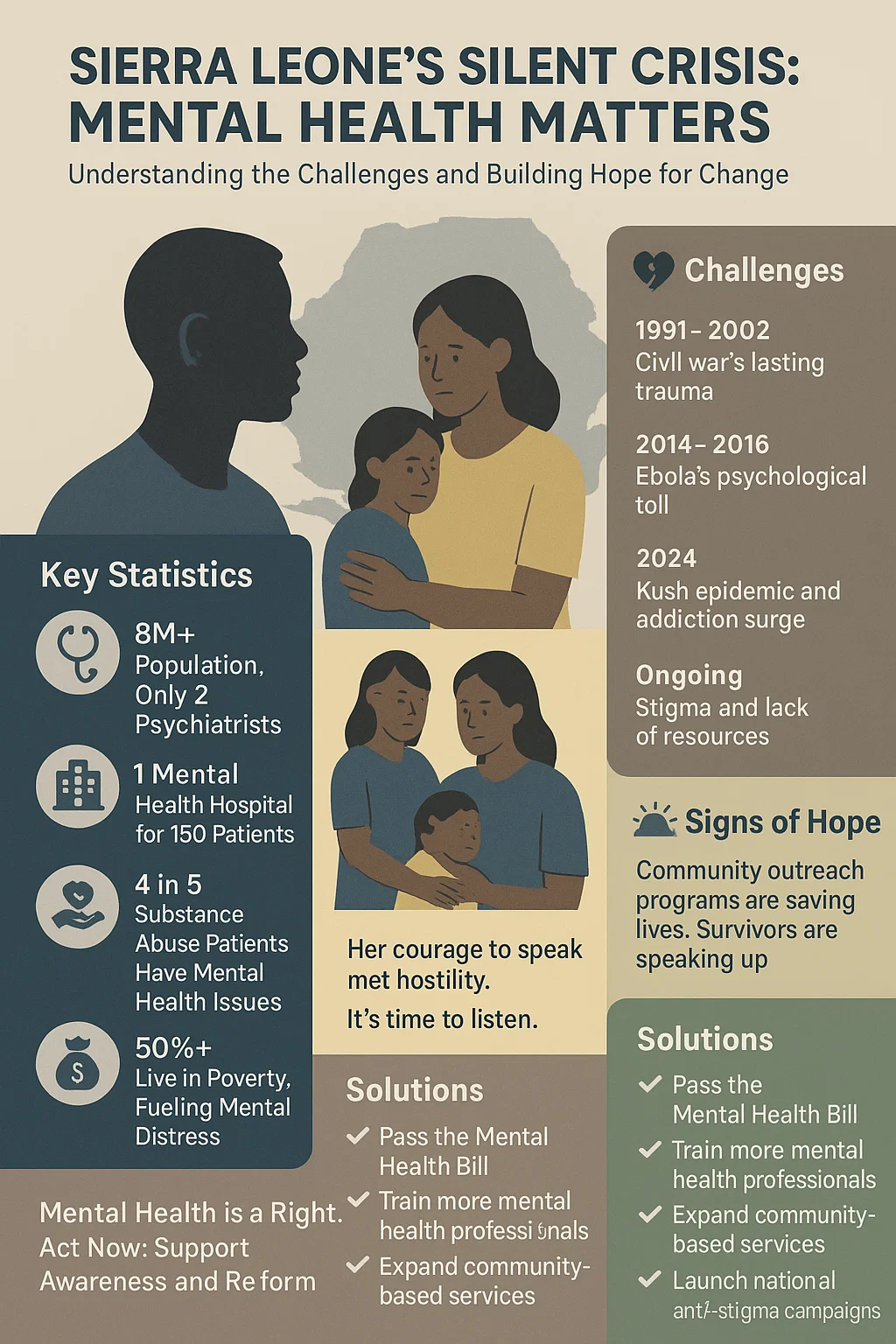
Standing as an epitome of the kind of exceptional circumstance that reduced the normal course of human activities in the Mano River Union to chaos, the Ebola Virus Disease emerged at a time when the economy of Sierra Leone was relatively stable.5 The outbreak of the deadly viral disease claimed the lives of over 11,000 people in West Africa, with Sierra Leone accounting for 4,493 deaths as of March 2016.6 The vestiges of the disease’s impact have not entirely left Sierra Leone, but lessons learnt from the outbreak prompted the country to establish national public health emergency institutions. One such institution is the National Ebola Response Centre (NERC), established in 2014, which was later renamed the National COVID‑19 Emergency Response Centre (NACOVERC) in 2020, in preparation for tackling potential future outbreaks. More recently, in 2023, the Government launched a Public Health Emergency Trust Fund for the mobilisation of resources to be dedicated to disease surveillance, vaccination campaigns, and community engagement.7 The World Health Organisation noted that social mobilisation, leadership, and the co-ordination of relevant government ministries contributed significantly to breaking the chain of transmission. The Organisation further noted that the absence of a national health emergency body and a national risk and disaster management policy at the time led to delays in tackling the spread of the disease.8
- The Declaration of a State of Public Emergency in Sierra Leone During COVID‑19
The Constitution of Sierra Leone Act No. 6 of 1991 contains an instructive provision under section 29 of Chapter III governing the declaration of a state of public emergency.9 The power to declare a state of public emergency is vested in the President, consequent upon prevailing circumstances that threaten the peace and stability of the country. The proclamation of a state of public emergency by the President is dependent upon certain prevailing circumstances listed in subsection (2) of section 29 of the Constitution of Sierra Leone, which may be summarised as follows: when Sierra Leone is at war; where there is a breakdown of public order and safety; where there is a clear and present danger of an actual breakdown of public order and safety in the whole of Sierra Leone or in any part thereof; and where there is imminent danger of, or the actual occurrence of, any disaster or natural calamity affecting a community or a section of a community in Sierra Leone.10 Subsection (1) of section 29 provides that where the President is of the opinion that any of the circumstances mentioned above prevail in any part of Sierra Leone or across the whole country, he shall proclaim a state of public emergency, which shall be published in the Gazette.11
It must be noted that the reference to a disaster or natural calamity in paragraph (e) of subsection (2) of section 29 encompasses public health emergencies as well as the advent of climate change, with its increasingly ferocious weather conditions threatening the safety of the people of Sierra Leone.12 The purpose of declaring a state of public emergency in any country is to enable the authorities to tackle any exceptional circumstance requiring extraordinary measures in order to restore stability.
In response to the Ebola Virus Disease, which threatened public safety, the President of Sierra Leone at the time invoked section 29 of the Constitution by declaring a state of emergency on 31st July 2014 under Public Notice No. 1.13As is the case in any constitutional democracy, it is under a state of public emergency that the government may issue regulations to control certain activities considered inimical to its endeavour to restore normality. In the case of Sierra Leone, the power to issue regulations under a state of emergency is likewise vested in the President by subsection (5) of section 29, and a number of such regulations were issued during the Ebola outbreak. These included the imposition of a curfew limiting the movement of persons within certain hours and successive lockdowns that completely prohibited persons from leaving their homes. Such regulations, made under a state of emergency, give rise to the notion that certain fundamental human rights are persistently curtailed to the extent that citizens are deprived of the ability to seek judicial redress. During a curfew or lockdown, a host of fundamental freedoms are suspended, justified on grounds of social and political expediency. Chapter III of the Constitution of Sierra Leone provides for the recognition, protection, and enforcement of fundamental human rights, including: the right to freedom of movement; freedom of assembly and association; freedom of conscience and the freedom to worship in accordance with one’s religious beliefs; protection against arbitrary arrest and detention; and freedom of the press and expression.14
It is also worth noting that regulations of a similar nature were imposed in Sierra Leone during the COVID‑19 pandemic under Statutory Instrument No. 9, known as the Public Health (COVID‑19 Emergency Response) Regulations, published on 22nd July 2021.15 These regulations were made pursuant to the existing state of public emergency declared by the President on 24th March 2020. The purpose of such regulations — as with those issued during the Ebola outbreak — was to break the chain of transmission by restricting the free movement of persons. The said legal instrument provided for the imposition of a curfew throughout Sierra Leone for a period of four weeks commencing on 5th July 2021, restricting the movement of persons between the hours of 11:00 pm and 5:00 am.16 The Statutory Instrument further provided for the prohibition of any form of gathering, whether at weddings, places of worship, or entertainment venues. Of particular note is the power conferred upon the police to arrest, detain, and levy a fine upon any person found to have contravened the provisions of the regulations.17
- The Constitutional Control Mechanisms for the Protection of Fundamental Civil Liberties During a State of Emergency
Constitutional democracies are characterised by the constitutional concept of limited government.18 That government may exercise the greatest power bestowed upon it by the people, but must do so with particular regard to the rights and liberties of those from whom such political power is derived. Political power must be distributed amongst the three arms of government so that each is regarded as co-equal in the discharge of its distinctive functions. Though this is the default position of every constitutional democracy, it does not appear to hold during a state of public emergency, where power becomes heavily concentrated in the executive branch of government. This position is exemplified by the power conferred upon the President of Sierra Leone by the Constitution to proclaim a state of emergency whenever he is satisfied that an extraordinary circumstance prevails in the country. The executive and the legislature are involved in determining the parameters of a state of emergency, thereby rendering the judiciary largely peripheral. Indeed, during both the Ebola and COVID‑19 outbreaks, the operations of the judiciary were significantly curtailed to the extent that court proceedings were either conducted virtually or suspended altogether, owing to the prohibition on gatherings.
Accordingly, a salient question emerges: can fundamental rights that have been suspended or violated during a state of public emergency be protected or enforced before any court of law in pursuance of judicial redress? The protective provisions governing fundamental human rights found in Chapter III of the Constitution of Sierra Leone are consonant in content and in spirit with several international human rights instruments, including the Universal Declaration of Human Rights (UDHR) and the International Covenant on Civil and Political Rights (ICCPR). Before that question is answered, it must first be noted that fundamental human rights are categorised as either derogable or non-derogable. A right is deemed non-derogable when the law does not permit its suspension or violation under any circumstances — not even during a state of emergency. Conversely, a right is derogable when the law permits its suspension or curtailment during a state of emergency. Although the right to freedom of movement is a fundamental human right, we have seen regulations issued by the government during both public health emergencies that suspended this right through the imposition of curfews and lockdowns. Non-derogable rights, such as the right to life and the protection against torture and inhuman treatment, are examples of rights that cannot be violated under any circumstances, including during a state of emergency.19
The Constitution of Sierra Leone provides, under section 28, an opportunity for any aggrieved person whose rights have been violated to seek redress from the Constitutional Court, the Supreme Court.20 This provision would appear to afford comfort to persons who believe that their rights can be protected and enforced at all times, including during a state of emergency. However, that is not entirely the case. Under a state of emergency, the Constitution provides in subsection (18) of section 29 that anything done under the authority of any law shall not be held to be inconsistent with the provisions of section 29, to the extent that such law authorises the taking, during a period of a state of public emergency, of measures that are reasonably justifiable for the purpose of dealing with the situation that existed immediately before, and during, that period of a state of public emergency. The argument as to constitutional supremacy, as provided in subsection (15) of section 171, would carry little potency where the question before the court is the validity of subsidiary legislation made during a state of emergency.21 Accordingly, the answer to the question posed above is, in all likelihood, no. The Constitutional Court of Sierra Leone would be disposed to accept an argument of necessity in favour of the executive arm’s power to issue regulations that are socially and politically expedient to address a public health crisis.
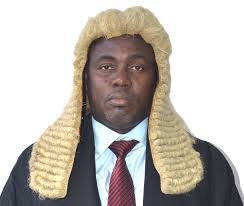
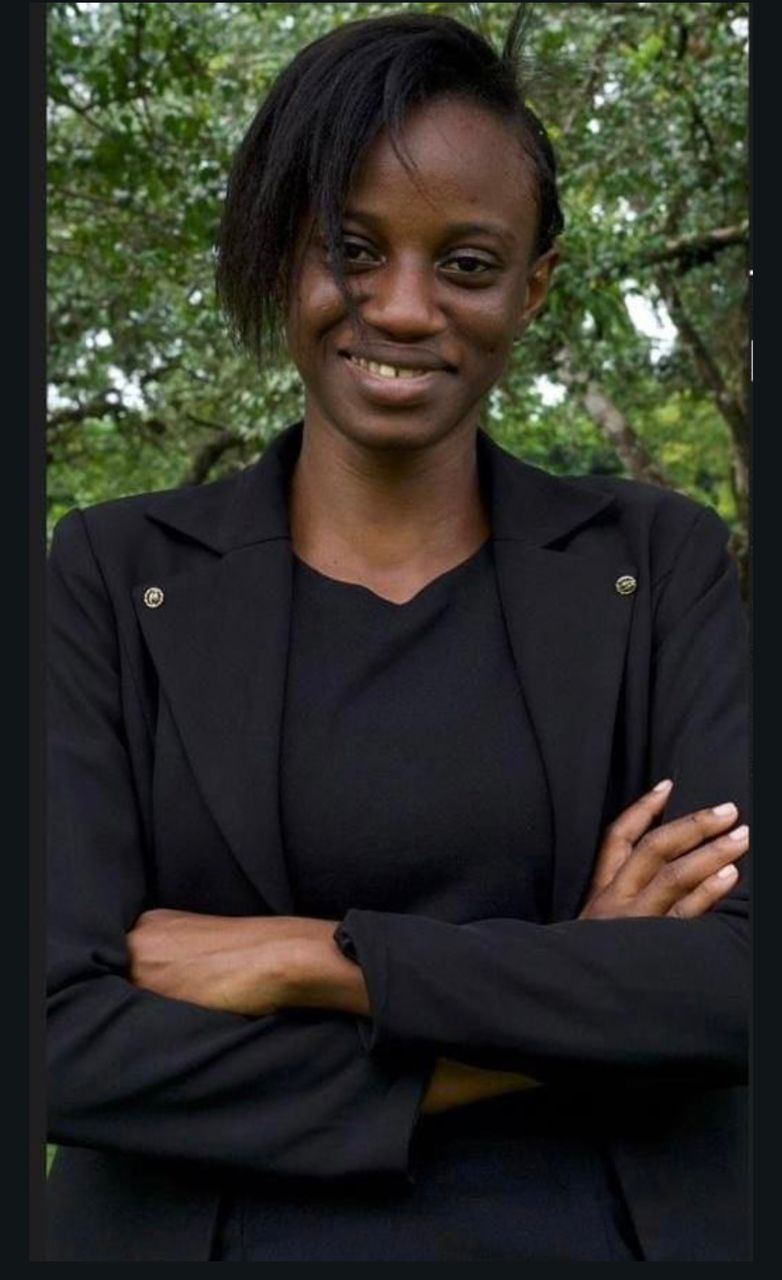
Boizee Bai Kalokoh is a Barrister and Solicitor of the High Court of Sierra Leone with a strong passion for legal research and a keen interest in public law and judicial reform. His work focuses on the enforcement of fundamental human rights and the structural challenges to the expeditious administration of justice in Sierra Leone. He is particularly committed to advancing legal research and has been advocating for the responsible use of emerging technologies, including artificial intelligence, as tools for enhancing legal scholarship. He seeks to influence practical and institutional reforms that promote efficiency, accountability, and access to justice within the Sierra Leone legal system.
Endnotes
1 Africa Overview: Development news, research, data, 15 October 2024. Retrieved from https://worldbank.org/en/region/afr/overview
2 Experimental Science, https://mometrix.com/academy/experimental-science/ accessed 22 January 2025.
3 An Evidence-based Quest to Protect Human Health. Retrieved from https://theindependentpanel.org
4 Tuomo Peltonen: Predictive Reasoning in the Early Stages of the Covid-19 Epidemic, https://pubmed.ncbi.nlm.nih.gov/36313010/ accessed 22 January 2025.
5 Dr Peter Davis, Ebola in Sierra Leone: Economic Impact & Recovery (2015), https://investsalone.com/wp-content/uploads/2020/07/SOBA-Ebola-in-Sierra-Leone-study accessed 1 February 2025.
6 The long-term impacts and costs of Ebola on the Sierra Leonean health sector, https://unicef.org/sierraleone/media/316/file/LTICESLHS-Report-2019 accessed 5 February 2025.
7 https://surge-eoc.mohs.gov.sl/2023/12/16/sierra-leone-launches-a-national-public-health-agency-and-emergency-trust-fund-to-strengthen-public-health-date-december-15-2023/ accessed 2 February 2025.
8 Lessons From The Response To The Ebola Virus Disease Outbreak In Sierra Leone May 2014–November 2015, https://afro.who.int/sites/default/files/2017-05/evdlessonslearned accessed 7 February 2025.
9 The Constitution of Sierra Leone, Act No. 6 of 1991.
10 See Subsection (2) of Section 29 of The Constitution of Sierra Leone, Act No. 6 of 1991.
11 See Subsection (1) of Section 29 of The Constitution of Sierra Leone, Act No. 6 of 1991.
12 See Paragraph (e) Subsection (2) of Section 29 of The Constitution of Sierra Leone, Act No. 6 of 1991.
13 See Supplement to the Sierra Leone Gazette Vol. CXLV, No. 41 dated 31st July 2014.
14 See Sections 17, 18, 24, 25, and 26 of The Constitution of Sierra Leone, 1991.
15 Statutory Instrument: Supplement to the Sierra Leone Gazette Vol. CXLXII, No. 41.
16 See Regulation 6(1) of The Public Health (Covid-19 Emergency Response) Regulations.
17 See Regulation 6(3)(c) of The Public Health (Covid-19 Emergency Response) Regulations.
18 John Locke: Two Treatises of Government, 1690 (Cambridge University Press, November 1988).
19 See Sections 16 and 20 of The Constitution of Sierra Leone, 1991.
20 Section 28 of The Constitution of Sierra Leone, 1991.
21 Section 171(15), Provision for the Supremacy of The Constitution of Sierra Leone.